The Intergovernmental Committee and the Imperative of Safeguarding Intangible Heritage
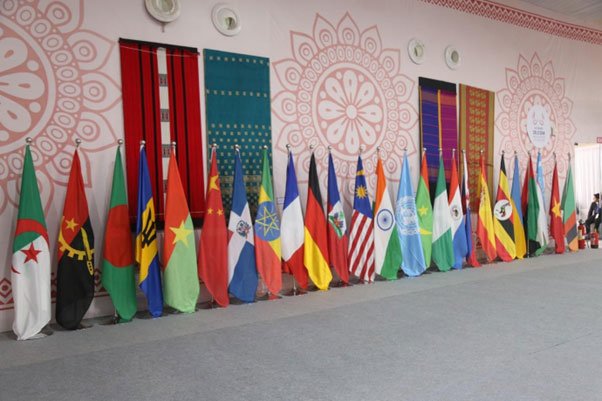
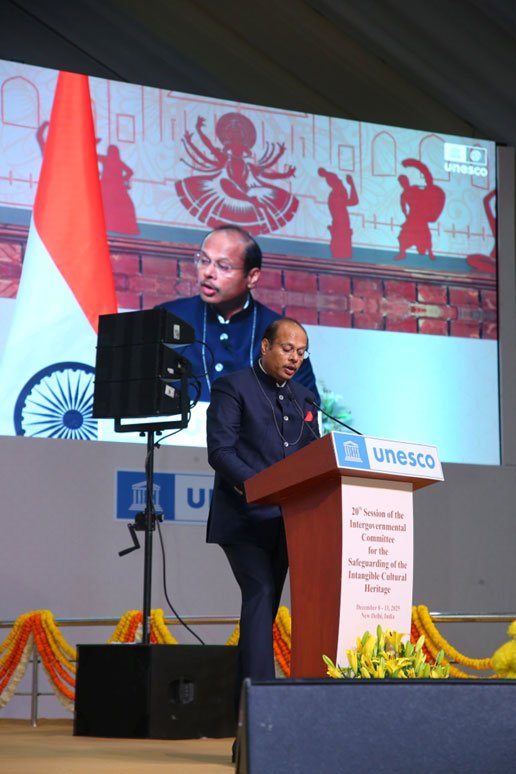
As Secretary to the Ministry of Culture, Government of India, it has been an honour to steer India’s engagement with the representatives of the global community during the UNESCO’s 20th Session of the Intergovernmental Committee (IGC) for the Safeguarding of the Intangible Cultural Heritage in New Delhi. IGC is a 24-member body of elected by the General Assembly of the Convention. IGC plays a pivotal role in implementing international frameworks for the protection of living heritage, namely oral traditions & expressions, performing arts, rituals, festivals, social practices, knowledge systems, craftsmanship and social practices that are transmitted across generations.
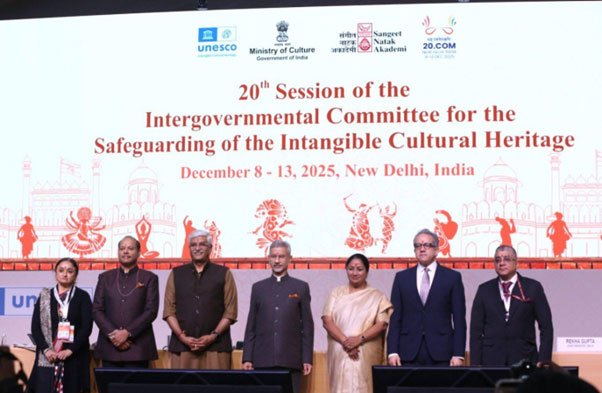
In an ever-increasingly globalised and rapidly changing world, the need for such a convention is more relevant than ever. Threats from migration, urbanisation, climate change, and pandemic further aggravate the chances of pushing Intangible cultural heritage (ICH) into oblivion. ICH anchors communities to their identities, fosters social cohesion, and nurtures cultural diversity; safeguarding such heritage is essential to strengthening social bonds and ensuring that development remains rooted in human values. The Convention provides a shared international framework through which nations can learn from one another and act in unison to protect such fragile yet resilient heritage.
Red Fort: A Living Monument Hosting a Living Convention
This was the first time India was hosting the IGC Session and also had the Presidency. We knew hosting the IGC in India holds immense significance; it provided an opportunity to highlight India’s leadership in cultural diplomacy and its long-standing commitment to safeguarding living heritage. As one of the world’s most culturally diverse nations, with thousands of living traditions practiced across regions, languages, and communities, we are both a custodian and a practitioner of intangible heritage in its most organic form; our presidency of the session further amplified this opportunity.
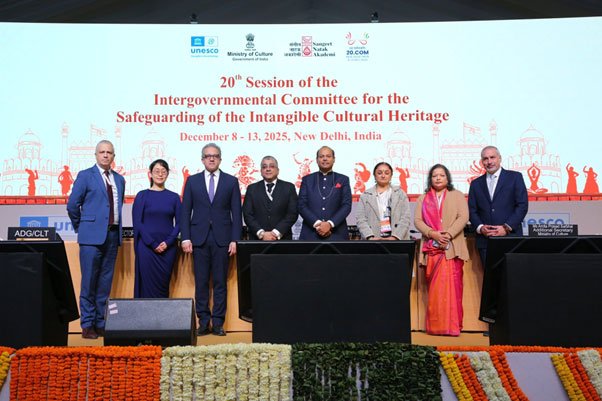
Initially, Bharat Mandapam was the venue for the convention, but when the Hon’ble Culture Minister Shri Gajendra Singh Shekhawat and I visited cultural spaces, with due deliberations we decided to shift the venue to the UNESCO World Heritage Site – the iconic Red Fort – and it was finalised quite close to the main event.
The decision to host the convention at the Red Fort was both symbolic and strategic. Hosting a major international convention with over 1200 delegates from 180 countries needed meticulous planning, upgrading and supervision of the venue. The recent unfortunate security incident in the vicinity raised further concerns.
Albeit, there were logistical and security apprehensions raised by the team to host it in an open space like Red Fort, but this was a well-thought out decision and certain of the vision and eventually it turned out great.
From the cultural perspective, hosting IGC within the precincts of the monument underscored the living relationship between tangible and intangible heritage. From the point of view of logistical upgrades of the venue, infrastructural, accessibility and security updates, such efforts and investment contributed to the long-term protection, preservation and curation of the monument.
The coordinated efforts of multiple agencies ensured a safe, secure, and seamless environment for international delegates, while simultaneously improving the overall management and protection of the heritage precinct. In hindsight, the integrated approach demonstrated heritage conservation, urban infrastructure, and security imperatives can work in synergy.
A Six-Day Programme of Dialogue, Diplomacy, and Cultural Exchange
The six-day programme of the 20th Session, held from 8th to 13th December, was both intensive and intellectually enriching. It comprised formal plenary meetings of the Intergovernmental Committee, detailed technical examinations of nomination files, and in-depth discussions on safeguarding practices and international assistance mechanisms. Bilateral and multilateral engagements ran parallel, allowing member states to exchange experiences, explore collaborations, and strengthen cultural partnerships.
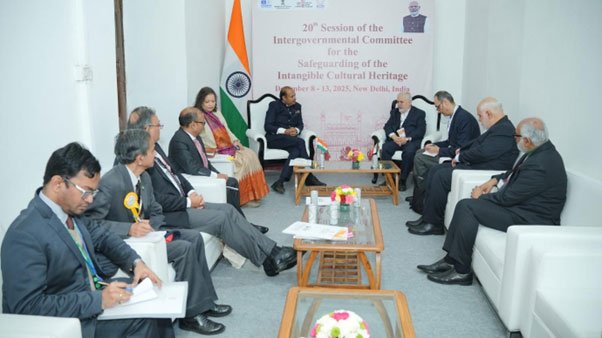
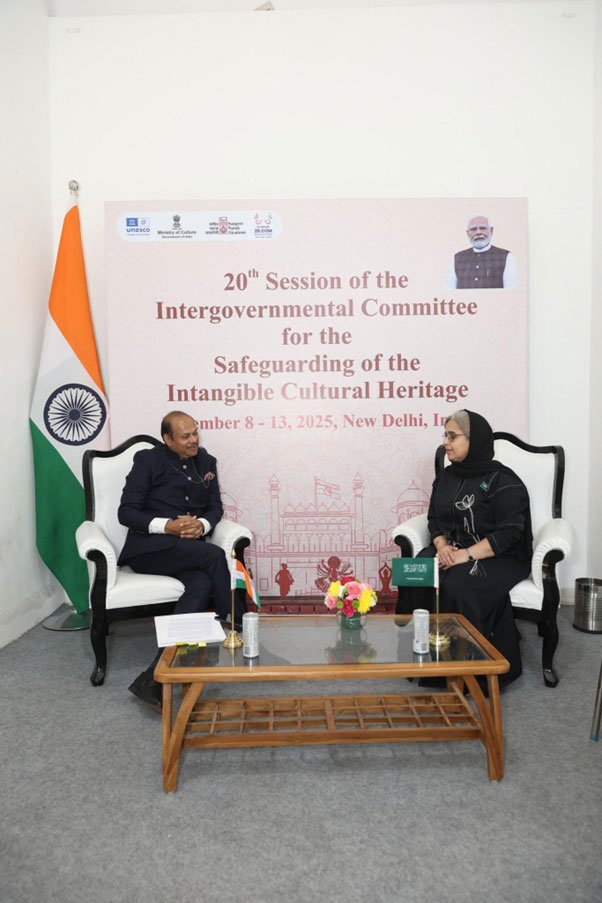
A range of thoughtfully curated side events, expert panels, and thematic discussions provided additional platforms for scholars, practitioners, and policymakers to reflect on emerging challenges and deliberate upon innovative approaches in the areas of intangible cultural heritage. During the convention, we held 17 bilateral meetings with various countries, including Ukraine and Chile, which significantly contributed to strengthening cultural diplomacy.
Noting my experience of the session and engagements with the leaders of member states, I am optimistic about the progress that we have made in further fortifying the cultural ecosystem and the mechanics of it.
Inscription of Deepavali: A Global Recognition of a Living Tradition
A defining highlight of the session was the inscription of Deepavali on UNESCO’s Intangible Cultural Heritage List. This recognition celebrates a tradition that is observed in diverse forms that transcend regions, languages, and communities. The inscription stands as a tribute to the communities that have sustained this tradition over centuries and to India’s holistic approach to safeguarding its living heritage. The inscription reflects India’s sustained efforts in documenting, safeguarding, and presenting its living heritage through a participatory and inclusive approach, and it reinforces the role of festivals and social practices in fostering social cohesion.
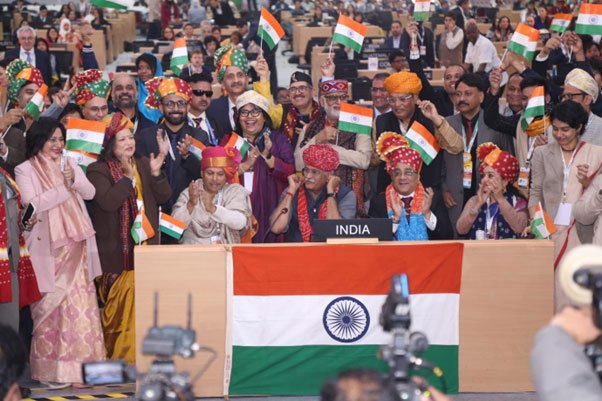
Being at the helm of affairs and representing India at the global forum has been both an honour and a privilege. Over the past months, the Ministry of Culture under the guidance of Hon’ble Union Minister of Culture, Shri Gajendra Singh Shekhawat, has worked diligently to articulate the depth, diversity, and cultural continuity of Deepavali by engaging communities who are at the core of this living tradition. I am elated that these efforts have contributed meaningfully to securing this international recognition. This achievement reflects not only the strength of our cultural ecosystem but also the collective commitment of practitioners, scholars, and institutions who keep our traditions alive. Deepavali is India’s 16th ICH to be inscribed on the UNESCO’s representative list. We will nominate Chhath Mahaparv with its multinational acceptance in the next session.
Intangible Cultural Heritage: No More a Peripheral Subject!
On observing and endorsing this value proposition of intangible cultural heritage, another aspect that I would highlight is that for a country like India, with the diversity that we have in our subcontinent, intangible cultural heritage cannot be a peripheral subject! It is central to cultural identity, social cohesion, and sustainable livelihoods. Festivals like Deepavali sustain entire networks of traditional artisans, potters, metalworkers, weavers, musicians, dancers, and storytellers. Their skills, passed down through generations, embody the very essence of living heritage.
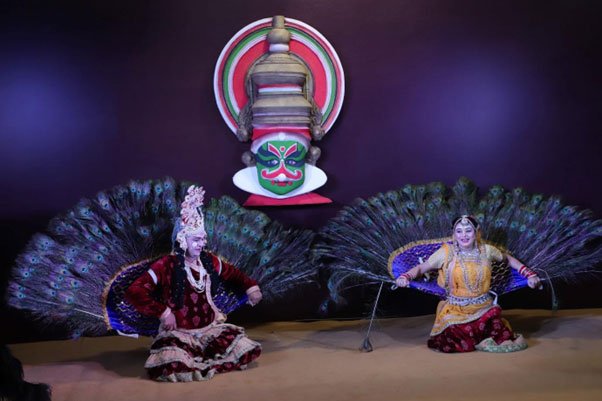
As Secretary, Culture, I could definitely refer to this moment as both a culmination and a beginning. It also encourages us to expand our efforts in this direction with policy frameworks that empower guardians of such living traditions. At the Ministry of Culture, we are working on creating models for community-led safeguarding, cultural mapping, documentation initiatives, and digital preservation through various schemes.
The 20th session of the UNESCO Intergovernmental Committee for the Safeguarding of the Intangible Cultural Heritage has been a meaningful milestone for India. The session was truly a global window through which the world could experience India’s pluralism, civilisational continuity, and commitment to cultural safeguarding and cooperation. The global community has been witnessing and welcoming India’s able leadership under Hon’ble Prime Minister Shri Narendra Modi. Successful conventions like the G20 in 2023, World Heritage Committee in 2024, IGC-ICH 2025 are a testament to India’s commitment to global causes. I take pride in the rich cultural heritage of my motherland, and even with this success, the task at hand is humongous, and we are all geared up!