“I am seeking. I am striving. I am in it with all my heart.” Vincent Van Gogh
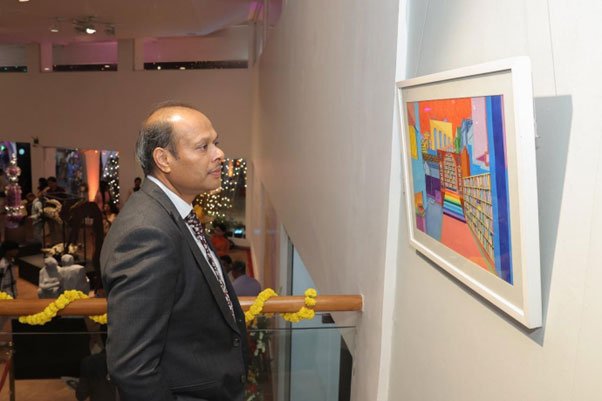
There are moments in public service when you sense the pulse of the nation not through policy documents, speeches, or review meetings, but through the powerful language of imagination and creativity. Walking through the galleries of the prestigious National Exhibition of Art, I could feel the echoes of artistic voices with exhilarating enthusiasm, confidence, and the desire to be seen and heard in a bold manner.
Hosted by the Lalit Kala Akademi, the National Exhibition of Art (NEA) is an annual celebration of India’s rich visual heritage and contemporary art landscape. The artworks on display encompassed various categories, including painting, sculpture, graphics, installation, photography, and more, showcasing the diversity and depth of Indian artistic expression.
I joined the Ministry of Culture as the Secretary in April 2025. As part of my orientation, I visited all our attached and autonomous bodies. It was during this time that the curation work for the 64th National Exhibition of Art (NEA) at Lalit Kala Akademi was at a preliminary stage. The NEA is the most prestigious platform of visual presentation, and it naturally came to my mind that the scale of the exhibition has to be amplified, and artists must be the centre of it.
I was particular that the exhibition must not be limited to showcasing but should also serve as a solid platform for fuelling the creative economy and decided to open all the awarded artworks for sale.
Therefore, I guided the Lalit Kala Akademi to prepare an action plan to reinvent the curation of NEA in a grand manner and work on a mission mode to create a marketplace for the sale of the artworks. The publicity and outreach of the exhibition were scaled up with a strong intent to transform it from the perspective of an art marketplace. Gallery owners, art curators, art collectors & art lovers from all over the country were reached out to, and invitations were extended.
Dedicated Preview Sessions were held for art buyers and related target groups, before the inauguration to encourage them to purchase the artworks. The final curation of the NEA was aligned with the vision of it being a marketplace for artists to connect and engage with potential buyers. The makeovers with wide publicity, engagement, presence of prominent faces from the fraternity gave an impetus to the NEA and eventually fructified with the sale of artworks.
National Exhibition of Art: A confluence of artistic delight and reflection
NEA sets a narrative to comprehend the undercurrents of contemporary society through the bold language of artistic expressions. I can refer to this exhibition as a confluence, as it presents the diverse picture of Indian art in totality, encompassing established, contemporary, and tribal art all under one roof.
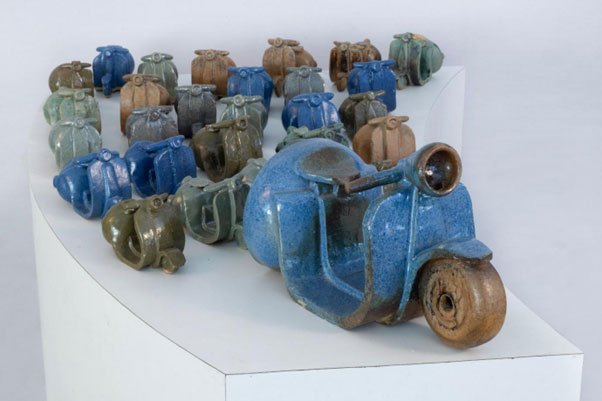
As I walked through the curated galleries, the expansive visual journey from nuanced explorations of heritage and memory to bold interpretations of identity, ecology and society fascinated me. Be it the miniature of scooters, reflecting collective identity in the old living city of Varanasi, or Seaside Symphony or Constructive Observation of Vernacular Architecture, each of them reflected a dynamic dialogue between tradition and innovation.
A few of the artworks, such as ‘A Call for Progress’, ‘Recreations’, ‘I Me Myself’, and, ‘Made Me Change’, presented critical contemporary issues. The experience has definitely helped me reflect and delve into the times we live in.
The Art & Part
The 64th edition of the National Exhibition of Art was inaugurated in a new avatar on 5th August and opened for public view from 6th August, 2025.
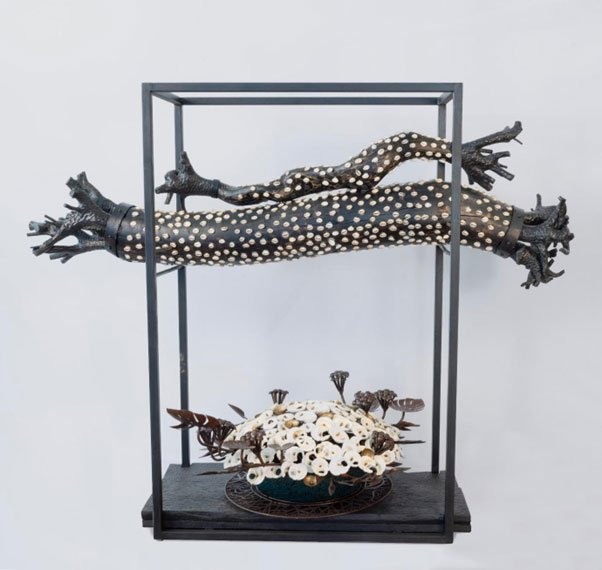
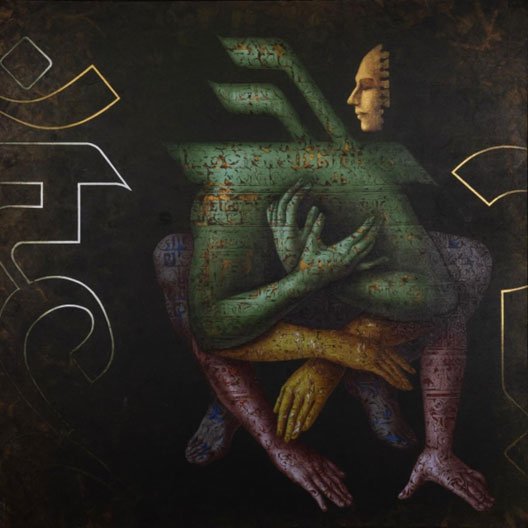
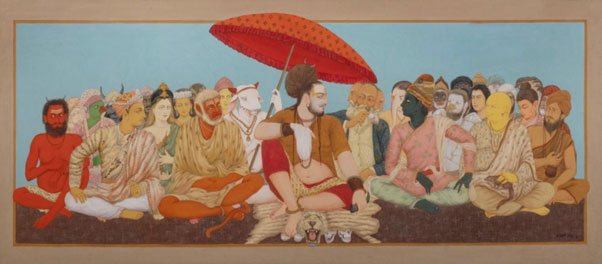
NEA 2025 featured a curated selection of 283 artworks, chosen from over 5,900 submissions received from across India through a rigorous two-tier jury process. The mediums on display spanned painting, sculpture, graphics, installation, photography, and more, showcasing the diversity and depth of Indian artistic expression. Broad-brushed across mediums, themes and approaches, the exhibition was organised into six curatorial zones by the curator, Gargi Seth: Ritual & Spiritual, Myths and Memories, Rural-Urban Highlights, Loss and Displacement, Surrealism, and Material and Tactile.
Twenty exceptional artworks were awarded by the Hon’ble President of India in recognition of their innovation and excellence in the visual arts. The selected artists were awarded memento, certificate and a cash prize of Rs 2 Lakh each.
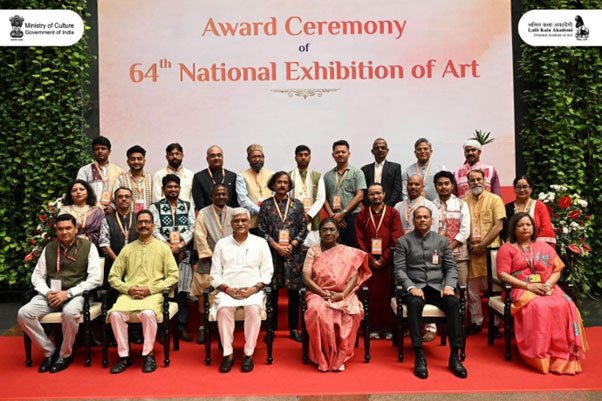
The National Exhibition of Art presents a vivid picture of India and its richness through visual art. It fills my heart with immense pride that this art confluence, since its inception in 1955, has enriched and expanded itself. In 1955, the 10 selected artworks were awarded a prize amount of Rs 1000, whereas today, 20 artworks are selected and felicitated with an amount of Rs 2 lakh, a trophy and a certificate.
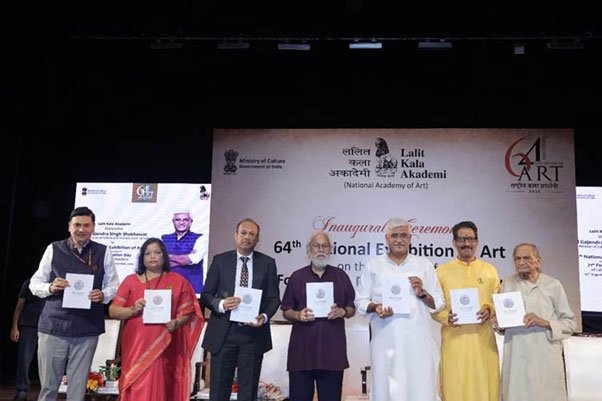
Two major publications were released during the ceremony: the 64th NEA Exhibition Catalogue, documenting the featured works and artists and a special book titled “Printmaker for All Seasons”, celebrating the life and legacy of Padma Shri Shyam Sharma. Veteran artists Shri Krishen Khanna, Shri Ram V. Sutar, and Smt Ira Chaudhari were also honoured for their invaluable lifetime contributions to Indian art.
Colour Outside the Lines
The 64th edition of the National Exhibition of Art will be remembered as a watershed event in the history of institutional efforts to usher in the economic well-being of artists and protect art forms in the long run. It was the first time ever that the awarded artworks were put for sale and accordingly the exhibition was organised at a grand level. The motto was to transform the outlook of the exhibition into an art marketplace.
It is worth noting that a bumper amount of Rs. 1.07 crore (approx) was raised by the sale of 64 artworks. The sale amount of artworks ranged from Rs. 20k to 4 lakhs. The sale amount of art pieces was decided on the basis of the prices fixed by the artists and a committee that assessed it. The proceeds of the sale amount were also passed on to the artists for their work. Ninety percent of the proceeds of the sale go to the respective artists, and ten percent go to an Artist Aid Fund managed by LKA.
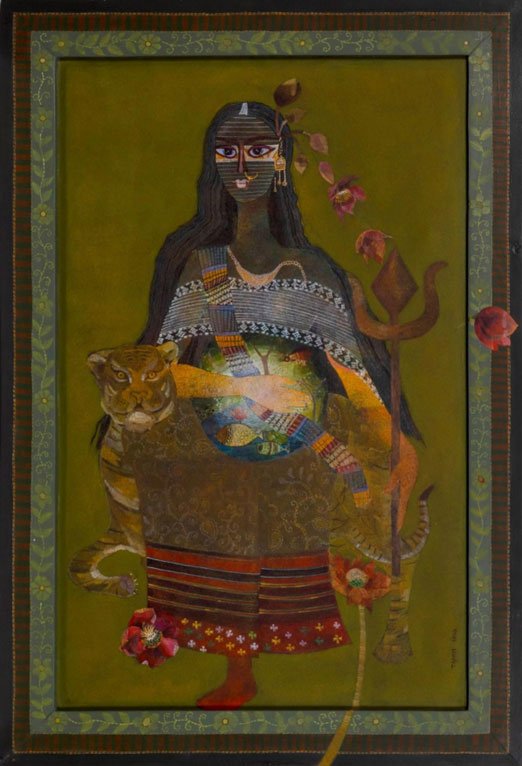
I can definitely say that the 64th edition of NEA has expanded the horizon and reimagined the possibilities the exhibition can bring out. With the aim to directly benefit artists across genres and foster a culture of art acquisition in the country, I am certain of the fact that this landmark decision has carved a special place in the hearts of artists. With this decision, artworks and creations are no longer being only showcased; they are now finding pathways into homes, workplaces, and collections. Such moments reaffirm the increasing recognition that art is not just an aesthetic pursuit but also a viable livelihood.
It is aligned with the Government of India’s National Mission on Cultural Mapping, which seeks to identify, support, and sustain artistic talent across the country. It may seem like a procedural shift, but for our artists, it marks the beginning of a much-needed cultural reorientation.
We will open our art galleries for all contemporary artists to provide a recognised and respectable platform to showcase their art and also facilitate a marketplace to connect with art lovers and art collectors. We are also planning to showcase selectively curated artworks at the 61st Venice Art Biennale in 2026. Such new avenues will also nurture an environment wherein the younger generations can interact with artists, learn from the fraternity, understand the nuances of the industry, and, above all, support the intergenerational continuity of art forms.
As I reflect upon the words of Gogh, I hope the younger generation will seek and pursue art both as a career and a medium of self-expression with intense emotional passion and perseverance.